Xenon or ice - what to choose
There has been a debate among motorists for more than a year about what kind of lighting is best used for headlights - xenon or LEDs. These two species have already forced the halogen backlight to “move” into the background. Both xenon and LED lamps have a number of advantages and disadvantages over each other, which this article will discuss in more detail. At the end, based on a comparison of technical characteristics, a summary table is presented.
Advantages and disadvantages
Before looking for the pros and cons of each type, it is important to understand that they work on completely different principles, and direct comparisons are inappropriate here. It is more appropriate to compare the effect that the included headlights give. It is worth finding out in detail about both methods of lighting a car, weighing the arguments and only then making a decision in favor of a certain type. Now - in detail about each of the methods.
Xenon
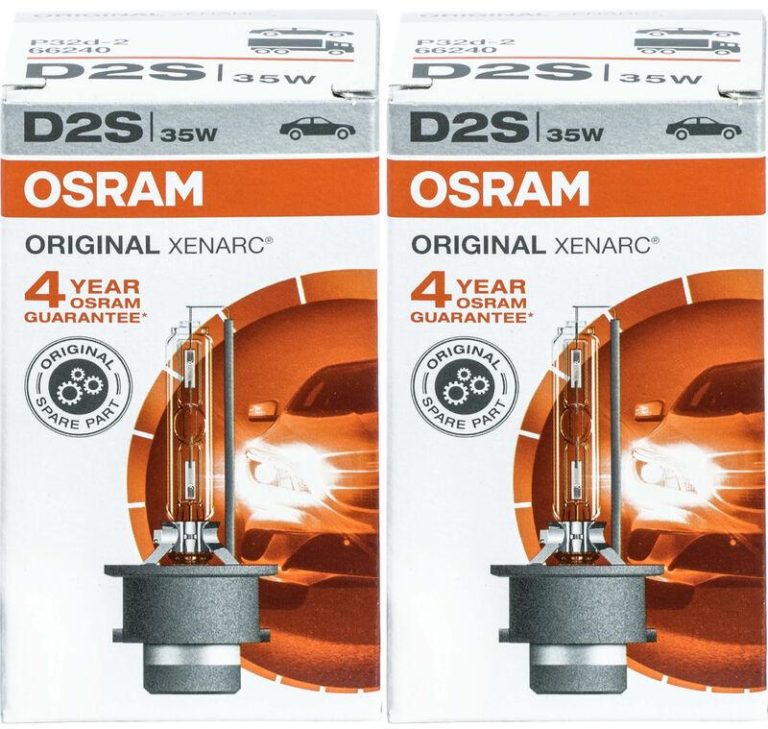
Lamps of this type have a flask with xenon gas. When a current is applied inside it, electricity is created between the two electrodes, giving a bright light. To focus it on the road, the xenon lamp is additionally equipped with a special lens.The start of electricity in a xenon field occurs at a voltage of 25 thousand volts: it is produced by an ignition unit.
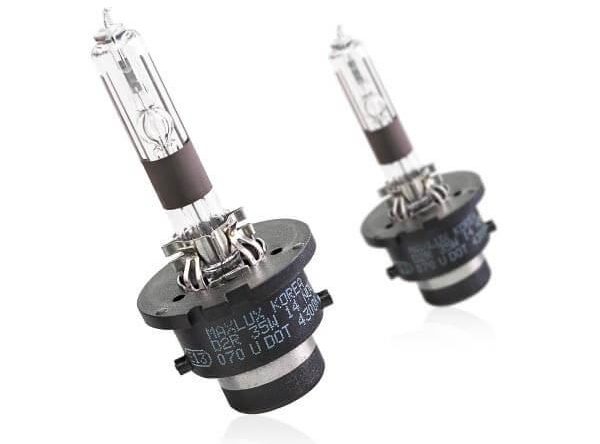
The advantages of xenon car lamps are:
- Reliable protection system. During power surges, the lamp will not burn out, since the ignition unit will automatically turn off.
- The highest quality of the emitted illumination. It is comparable to natural daylight. Does not cause eye irritation, headaches.
- No instant "death". If the xenon lamp fails, the headlight will not go out immediately, but will fade away little by little. This will give the driver time to safely park.
- No strong heat. In this regard, xenon is noticeably superior to LED.
Potential disadvantages of this type of lighting affect installation aspects. To install xenon headlights, you will need to additionally purchase an ignition unit with a voltage converter. In addition, the installation of xenon can lead to fine or disqualification.
ICE
LED stands for LED. This type of headlight has several LEDs inside, which give a bright light when turned on. Then it is collected by lenses and reflectors.
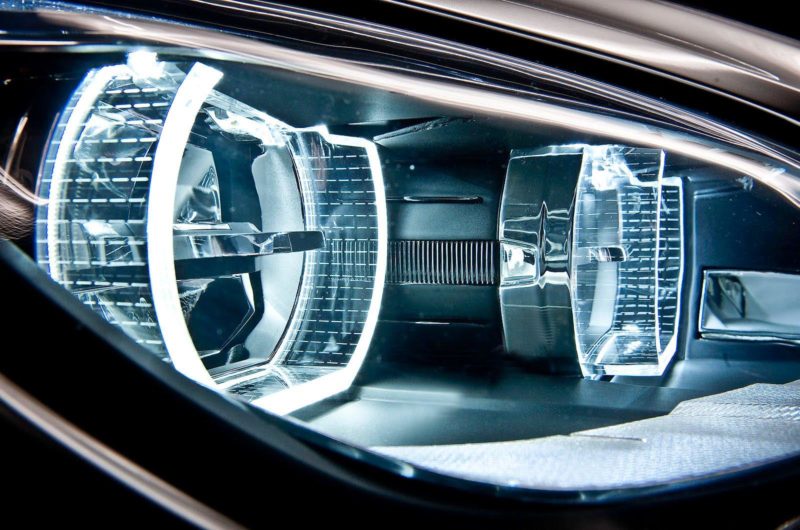
Among the advantages of LED lighting for a car, they note:
- Greater brightness – up to 3500 lumens.
- Long service life. These lamps are, in fact, "indestructible". With normal use, they will last for several years.
- Low energy consumption. This is the main trump card of LEDs, with which they “beat” other types of illumination.
- Reliability while driving. There is no filament or other element that falls into the risk zone when driving on a broken, bumpy roadway.Vibration resistant LEDs.
- Ease of installation. To do this, you do not need to take the car to the service station - you can do everything yourself.
![Xenon or ice - what to choose]()
- Ergonomics. Due to the small size of LED lamps, lighting schemes of any complexity can be made from them.
- Instant on. Electricity is supplied, and the bulbs instantly light up.
- Environmentally friendly. LED lamps do not emit UV or IR radiation and do not contain hazardous substances. After failure, the LEDs are recycled.
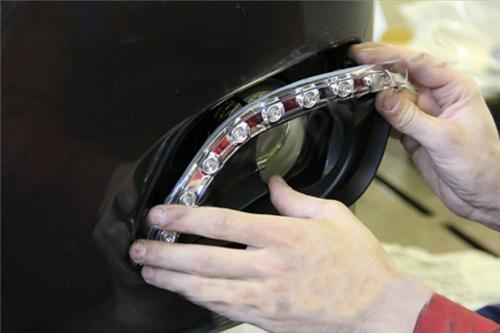
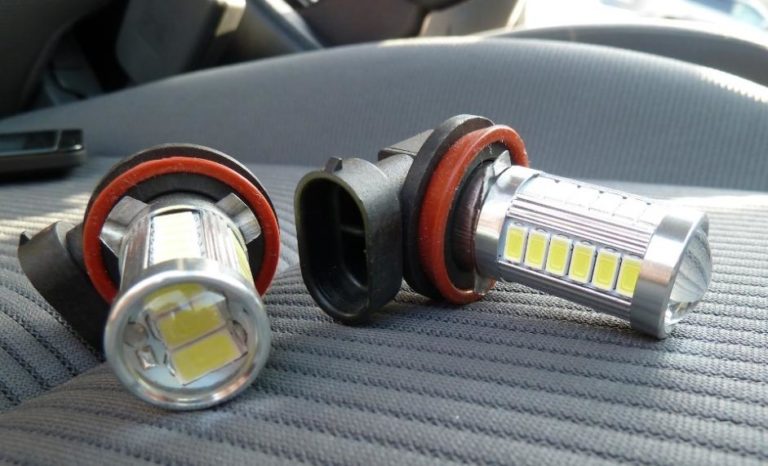
There are only two possible obvious disadvantages of this type:
- high cost. In this regard, xenon and other lamps look more attractive.
- Strong heating. LEDs are designed in such a way that they practically do not heat up during operation. But the board to which they are attached generates enough heat. Therefore, you need to take care of a high-quality heat sink - a radiator or cooler.
Compare 3 Key Glow Parameters
Listing the pros and cons of each type is, of course, good and necessary. But all this is on paper (more precisely, on the monitor). The main thing for headlights is how they cope with their task in the dark, especially in bad weather. The characteristics of the glow parameters for xenon and LED headlights are given.
| Key characteristics of the luminous flux | 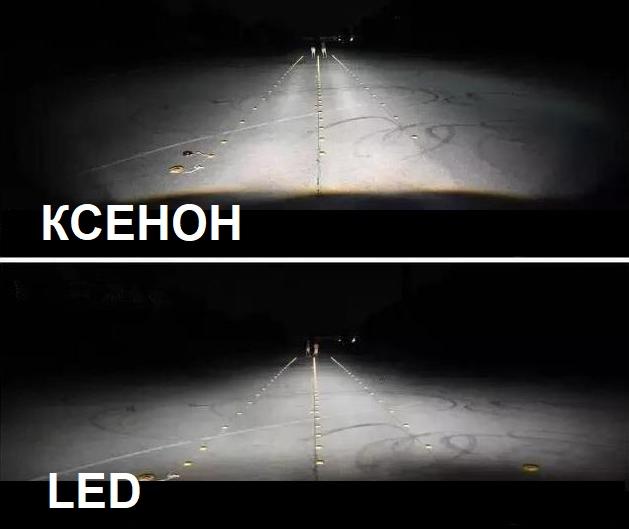 Light distribution | 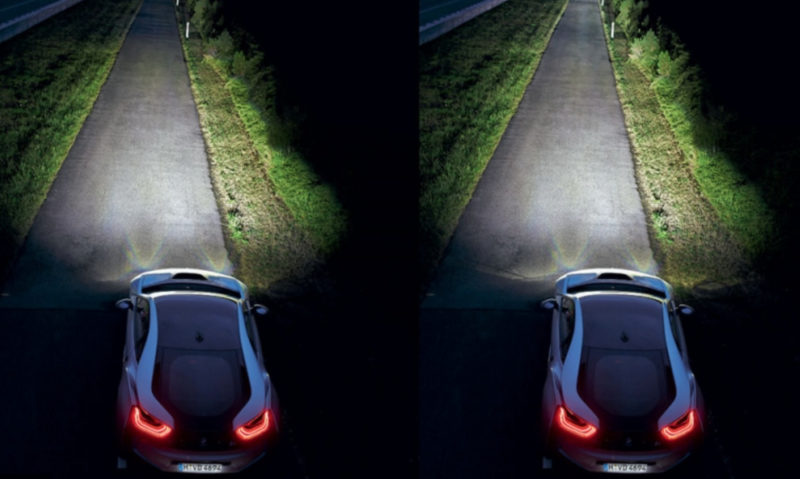 light range |  penetrating power |
| Xenon | A special lens focuses the light, making it accentuated. Therein lies the shortcoming. Xenon lighting is too contrasty: the illuminated areas are too bright, everything else, on the contrary, is in pitch darkness | Shines brighter on the near sections of the track | Doesn't pose a major barrier |
| LED | Make the transitions between light and dark smoother, softer. Even with peripheral vision, you can see the shoulders and other, insufficiently illuminated sections of the road. | Give you more distance | Precipitation and fog, in fact, negate all the advantages of LED optics |
Comparative table of characteristics of xenon and LED lamps
In conclusion, a comparison of the main technical parameters of the two considered types of lamps for car headlights. Along with other characteristics, they are collected in a single summary table. If the text did not help to make a decision in favor of xenon or LED, then perhaps the table will be that last argument.
| Parameter | Xenon | LEDs |
| Light brightness | brighter in nearby areas | higher overall brightness |
| Power | 40 W | 20-40W |
| Price | cheaper | expensive |
| Service duration | up to 4000 hours | can last up to 5 years, but usually not longer than 3 |
| Colorful temperature | almost the same range: 3300-8000 K | |
| efficiency | 80% | 90% |
| Flow distribution | worse | better |
| high beam | worse | better |
| penetrating power | better | worse |
| Power consumption | more | less |
| Ignition speed | up to 10 seconds | instantly |
| Failure | gradual | usually one-time |
| Mounting | difficult | simple |
| Market experience | 30 years | 17 years |
Finally, a comparative video review.