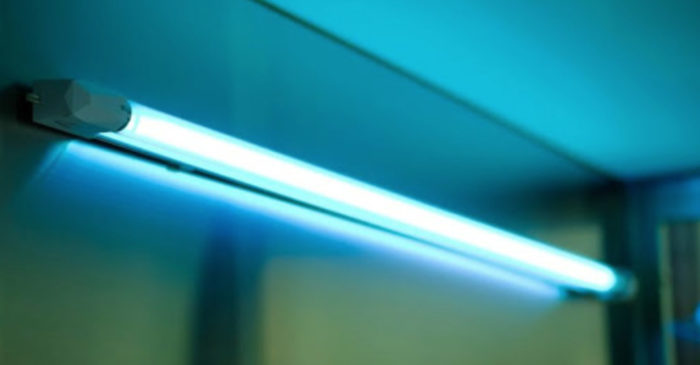
Features of quartzization at home
At the beginning of the twentieth century, the main factor that reduced the survival rate of patients on inpatient treatment was the so-called nosocomial infection: when, in addition to the main disease, the patient became infected with a cross-infection from other patients. This happened both directly from the source, and indirectly, through objects, by airborne droplets or airborne dust. Against this background, the question arose of finding additional preventive measures that could protect patients. The most effective in this regard was the method of disinfecting premises with ultraviolet light, called "quartzization", the essence of which was to briefly turn on a lamp in the room that emits hard ultraviolet in the range of 180-315 nanometers, which is detrimental to pathogenic (and not only) microflora.
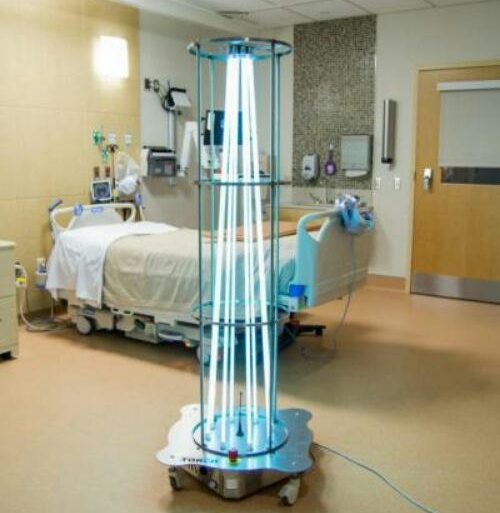
How does a quartz lamp work
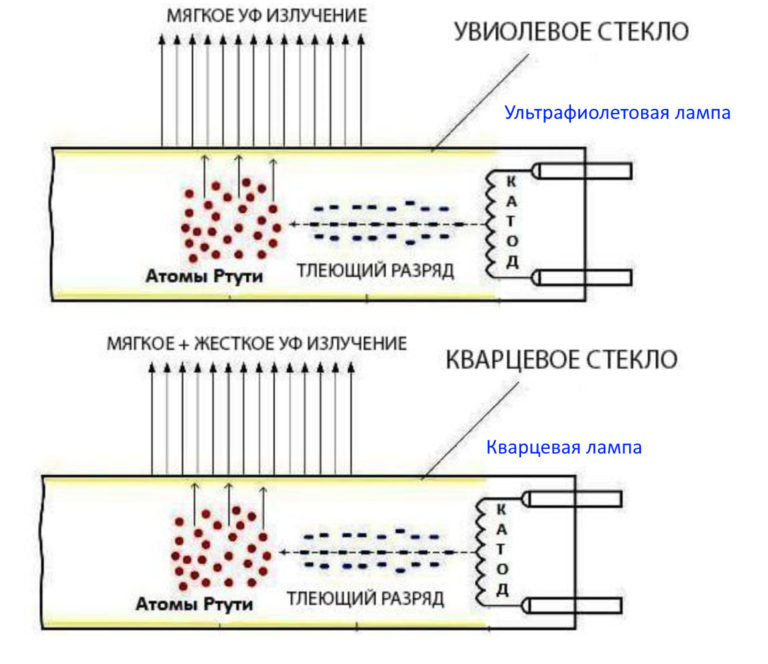
As a light source in bactericidal installations, a gas-discharge mercury lamp of low, medium or high pressure is used, placed in a separate flask made of quartz glass. Ordinary glass also transmits most of the UV spectrum, but still delays some, which significantly reduces the biocidal effect.
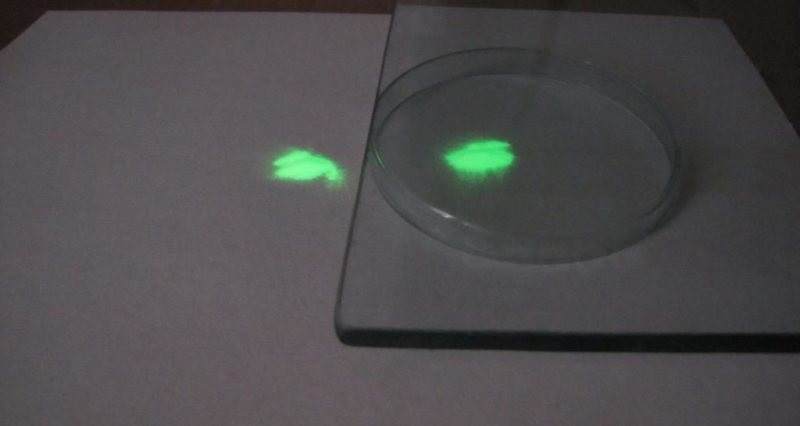
Note! There is a misconception that ordinary industrial glass protects a person from aggressive UV radiation, but a number of experiments on the phosphor show that even under several layers of thick window glass placed on a glass Petri dish, the phosphor under the rays of a UV lamp glows as brightly as without them.
As early as 1906, scientists Köch and Reshchinsky determined that not all ultraviolet radiation has the same detrimental effect on microorganisms, and empirically determined the range of the highest biocidal efficiency in the range of 205-315 nm with a peak at 254 nm.
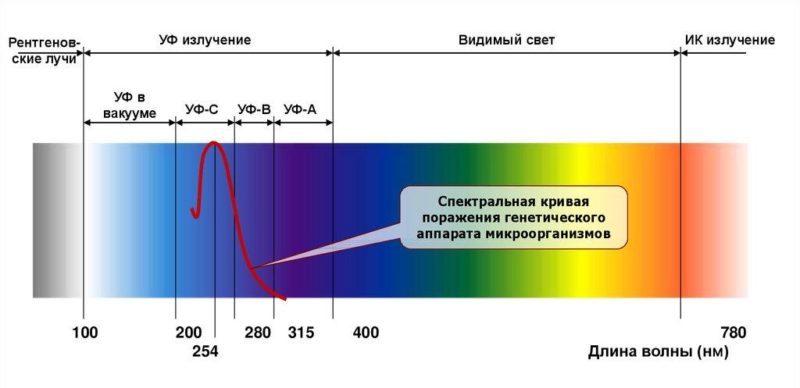
Under the prolonged action of the calculated spectrum of light, bonds in the RNA and DNA chains of all known microorganisms are destroyed: bacteria, viruses, fungi, protozoa and some types of spores. Many pathogen spores are protected by a strong shell that protects them not only from light, but also from aggressive chemical disinfectants, so rooms must be cleaned regularly to prevent the reproduction of pathogens from surviving spores. For this purpose, stationary sources of UV light are installed in surgical and maternity wards, infectious diseases departments, and bacteriological laboratories for regular and in-line disinfection.
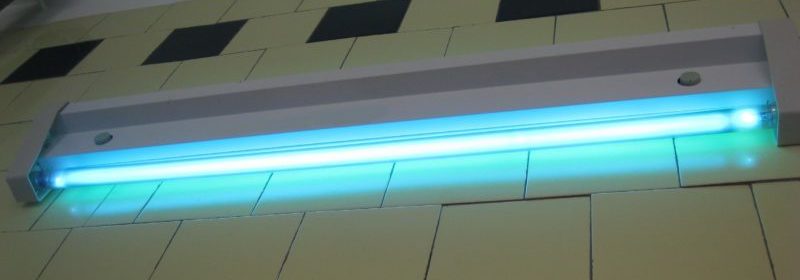
Kinds
Depending on the design of the installation, there are lamps:
- Open type - when the biocidal effect is provided by exposure to direct or reflected ultraviolet rays.
- Closed type - they are installed in ventilation systems or have the form of mobile recirculators operating on the principle of a flow filter with forced air circulation.
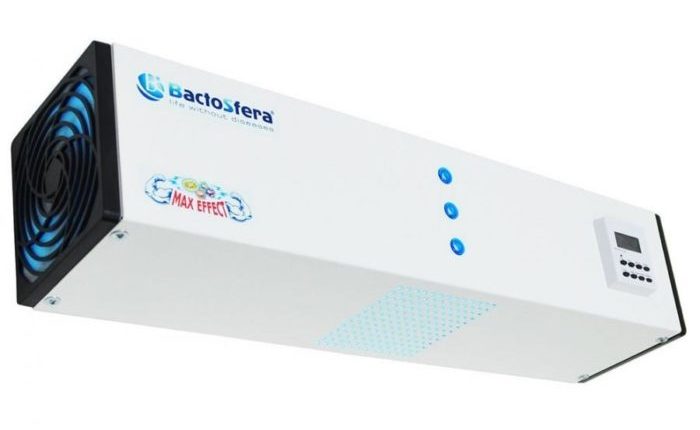
The open type of emitters is divided into:
- radial or wide irradiation area - when the task of the device is to cover the maximum area. Not designed for people to stay during the disinfection procedure;
![Features of quartzization at home]() With a wide spectrum of action.
With a wide spectrum of action. - with a reflected bactericidal flow - when the rays are directed only to the area where there is no personnel, as a rule, to the upper hemisphere.
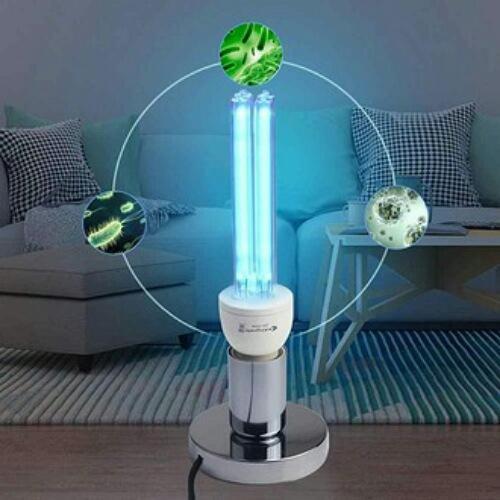
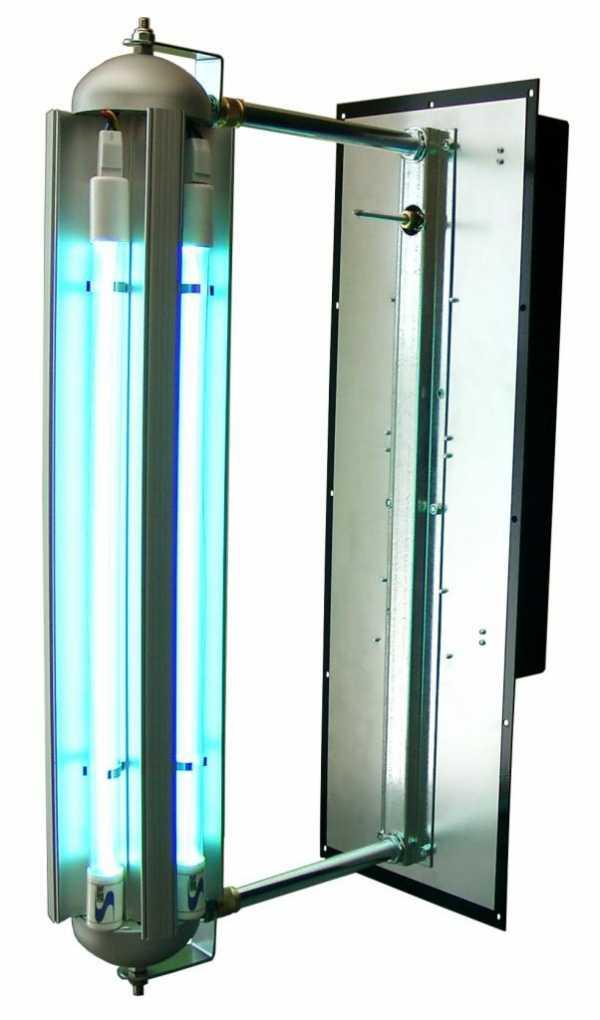
According to the type of filling of the flask, the devices are:
- mercury - when light is emitted by vapors of liquid mercury when charged electrons pass through them;
- amalgam - when solid mercury is placed in a flask. When heated, the amalgam evaporates mercury vapor, and when cooled, they harden again. The efficiency of amalgam devices is higher, and if the glass shell is damaged, there is much less harmful mercury fumes, which makes them relatively safe.
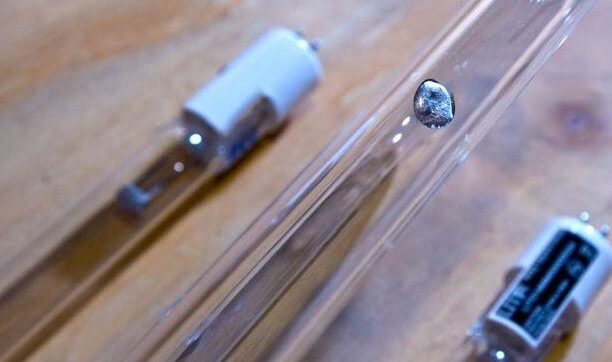
The flasks of classical quartz lamps are made of quartz and transmit the ozone-forming spectrum from 185 nm. Upon contact with oxygen molecules, such light activates the chemical formation of ozone, and for this reason, quartz lamps are commonly called ozone lamps. When quartzing in a confined space, the concentration of ozone becomes dangerous for the respiratory system, which implies the obligatory ventilation of the room after the procedure.However, concentrated ozone acts as an additional biocidal factor, destroying pathogens where even reflected UV rays do not reach.
Modern flasks are already made of uviol glass or quartz, but with a special coating. Such devices do not produce light in the ozone-forming range. The biocidal effectiveness of these devices is somewhat lower than that of classical ones, but their safety allows reducing the requirements for the training of personnel conducting disinfection in kindergartens, schools, warehouses, and even at home.
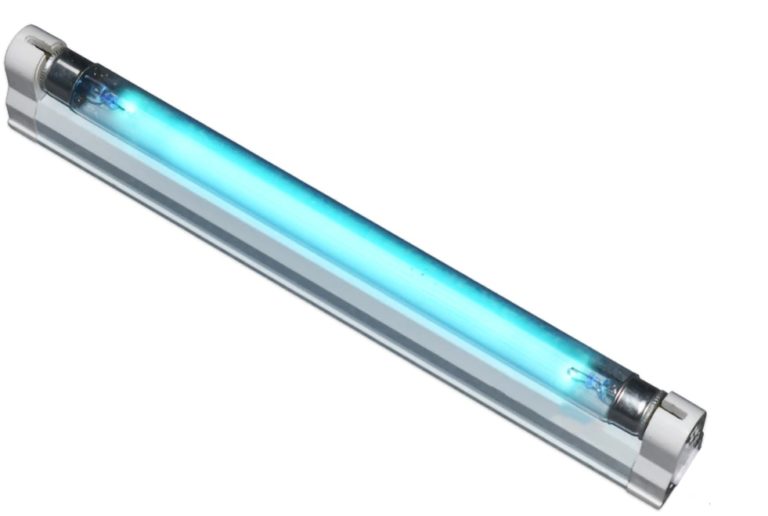
How to make a lamp and quartzing yourself
If an open ozone lamp is used, pets, fish, plants, and, of course, people must be removed from the premises before UV disinfection. To protect the organs of vision, special glasses with a light filter are needed, but in extreme cases, tactical yellow polycarbonate glasses are also suitable. They do not retain 100% of all ultraviolet radiation, but in a few seconds the eyes in them will not have time to suffer.
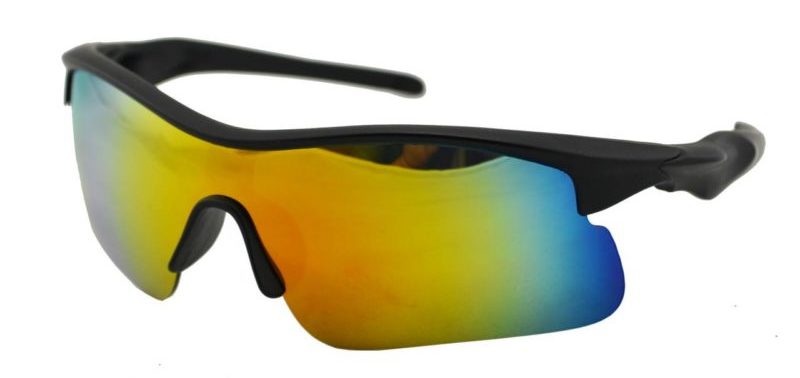
In order to avoid damage to the eyes, it is better to take the device’s power button out to another room in advance or use a long carrier passed under the door. Quartz home room is carried out as follows:
- All biological organisms are removed from the premises.
- Open areas of the body are covered with clothing. Goggles are put on the eyes.
- The device is cleaned of dust and positioned in such a way as to irradiate the maximum area, then plugged into the network and started up.
- The room must be immediately left and tightly closed behind you, preferably with a key, if the door design has an interior lock.
- After 25-30 minutes (for ozone-free 30-40), a person in protection turns off the device, opens the windows for 15 minutes of ventilation.
When carrying out the procedure at home, you should carefully monitor the location of children and animals. It is better to keep them close to you, having them play together, and children watching cartoons.
The instructions given are for a device that you can make yourself. For this you need to take gas discharge mercury lamp daylight type DRL with an E27 or E40 base, depending on the power, gently break the outer flask coated with a phosphor with a light blow of a hammer, pressing the DRL to the wall. It is better to hold the lamp in a vertical position with the base down. At the same time, the inner flask must remain intact, it is it that emits UV rays that cause the phosphor on the outer shell to glow. Then it is necessary to connect the DRL to the network, but simply by screwing the base into the cartridge and plugging the plug into the network, it will not be possible to start the discharge lamp. There are two ways to start the light source:
- More correct, but complex and expensive - to purchase throttle (electronic starting device) of the same power as the DRL and start the light bulb through the throttle according to the scheme, individual for each type of starting device, which is included in the instructions for the device. The light from such an emitter will be stable, and the resource will be long.
![Features of quartzization at home]() Lamp DRL connected through a choke.
Lamp DRL connected through a choke. - A short and simple way is in series connection with DRL you can start the usual incandescent light bulb, with a power exceeding the DRL twice.That is, if the DRL is 125 watts, then the incandescence should be at least 200, and preferably 250 watts. If you take less, then the ultraviolet will not be able to reach the operating mode or will not start at all, if more, it may break. The incandescent lamp acts as a choke and will shine simultaneously with the DRL, but the operation of the entire device will depend on the quality of the incandescent filament, which, at a power above 100 watts, quickly burns out in our 220 volt 50 MHz network.
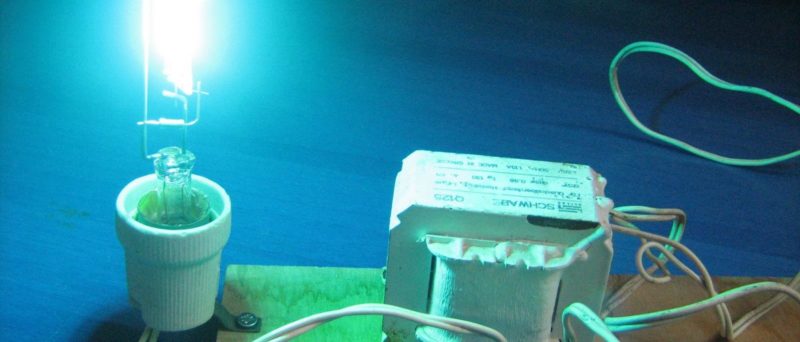
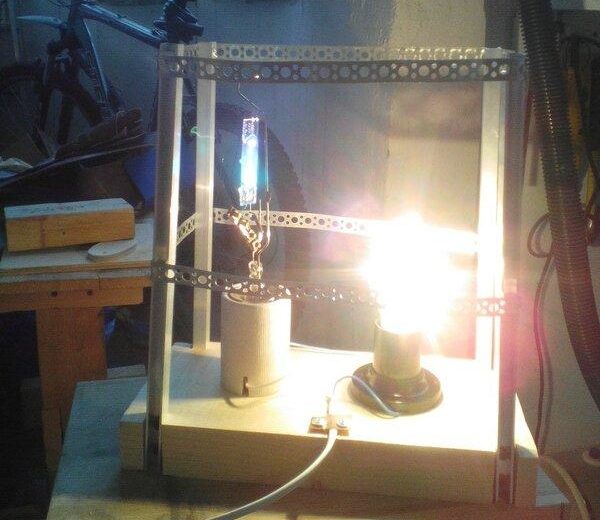
The inner flask of the DRL, screwed into the cartridge and connected to the plug, must be fixed in one of the ways on a stable stand. It is advisable to protect the glass with a large-mesh grill or iron protection without a glass cover from a street lamp. In a vertical position, this 125 watt device, installed in the center of the room, will be able to sanitize a room up to 25 m22. If it is necessary to set a certain working vector for the rays, a metal reflector is added to the radiator design from a piece of a corrugated aluminum pipe cut along and straightened. The described device is used by gardeners to sanitize boxes before planting spores of edible mushrooms in them, since cultivated myceliums are extremely susceptible to various infections and require aseptic conditions.
Is it possible to be indoors when quartzing
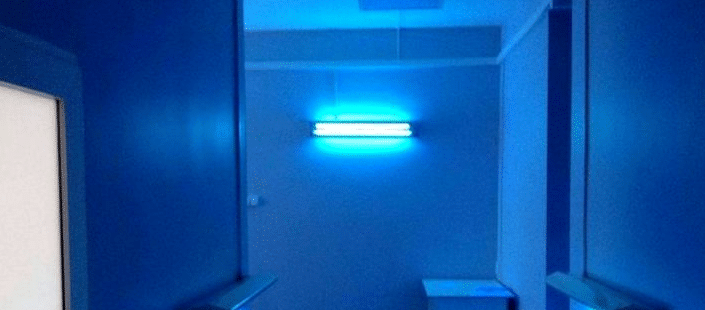
You can use any open-type quartz lamp either in full protective equipment or at a great distance from it, at least a few tens of meters, but with eye protection. It is absolutely safe to stay indoors without any protection only if you use air recirculators, which exclude even accidental exposure to the hard UV range.During the operation of the device with a zonal orientation, it will be safer to exclude being in the room, since the body receives microdoses of UV radiation due to reflected light.
Optimal running time
If there is no sick person at home with an infection transmitted by airborne droplets or airborne dust, then the time for quartzing the room is selected based on the schedule of a particular family. This is best done when there are a minimum of family members at home. In some cases, it is justified to disinfect and ventilate the bedroom at night, and the rest of the rooms in the morning, when most of the relatives are still resting.
If guests are expected to arrive, then bactericidal cleaning should be carried out both before their arrival, for their safety, and immediately after the departure of potential sources of infection, in order to protect family members who may not have had time to become infected directly from the carrier. However, it was noted that the presence in the house of a sick person who is not isolated in a separate room minimizes the effectiveness of any preventive measures, since the infected person continuously sows air and household items with pathogenic microflora. In this case, it would be reasonable to allocate a separate room to the patient, located closer to the bathroom and toilet, as an infirmary, where to place the recirculator to protect visitors, and disinfect the rest of the rooms in the usual way.
Do I need to ventilate the room after quartzing
In most cases, it is regular airing of the room that gives the best preventive effect if there are infected people in the house.Ventilation to some extent replaces the action of the ultraviolet recirculator, but is accompanied by a cooling of the room temperature, if this is the case in winter. It is this problem that is the main one for ozone-forming devices, after which airing is mandatory.
Frequency of the procedure
The schedule of preventive measures is drawn up based on the epidemic situation or the SanPin regulations for each type of enterprise separately. At home during seasonal epidemics, it is permissible to carry out quartzing every day 2-3 times a day, provided that family members are not even exposed to reflected ultraviolet radiation. In summer, procedures are used less often, mainly after visiting potential sources of infection with a high level of contagiousness. In other cases, wet cleaning is carried out, followed by ventilation of the room and UV treatment 1-2 times a week.
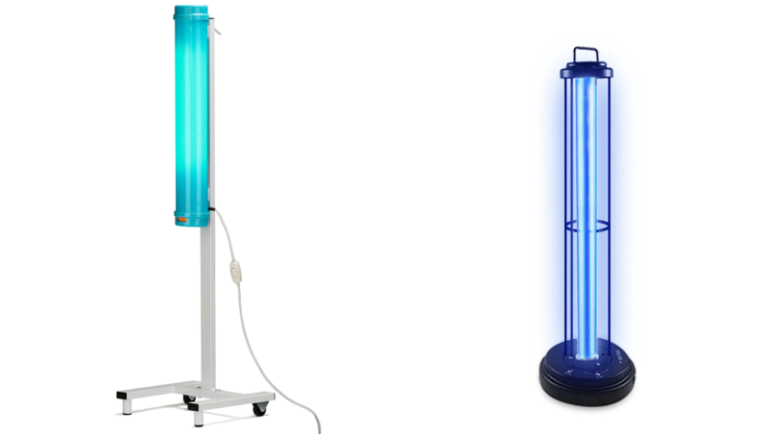
Service life of a quartz lamp
Depending on the type of construction, the type of gas filler and the pressure inside the flask, the service life of various bactericidal irradiators ranges from 2,000 to 15,000 hours. For example, the shortest resource was noted for a high-pressure mercury discharge lamp with a power of 3 kilowatts or more - only 1500 hours. Low-pressure flasks with amalgam filler can withstand up to 15,000 hours. However, much depends on the quality of manufacture of a particular model.
After the resource is exhausted, the device, as a rule, continues to work, but its efficiency can sag up to 35-40% of the original one. In addition, if the filter coating on the flask becomes thinner, the device begins to emit aggressive long-wave UV rays below 200 nm, which becomes noticeable by the sharp smell of ozone.To prevent such consequences, it is necessary to record the total operating time of devices in a log, as is done in medical institutions.

The specificity of the design of most emitters is such that their resource is consumed faster with frequent short-term switching on. Therefore, it is better to carry out one disinfection for 30 minutes than two for 15.
What else can you use a lamp for?
Quartzization has found its main use at home precisely as a disinfecting procedure for such objects as:
- air and surfaces, including bathrooms and pantries, where the reproduction of fungus and mold is noted;
![Features of quartzization at home]() Disinfection of restrooms.
Disinfection of restrooms. - water in pools and storage tanks - for this, the emitter is located in such a way as to cover the entire area of \u200b\u200bthe pool. For disinfection of drinking water tanks, the emitter is installed above the open mouth of the tank. A special submersible or built-in water disinfectant is used;
![Features of quartzization at home]() Water purification device.
Water purification device. - in agriculture - for example, when sanitizing boxes for growing mushrooms, for translucent eggs in incubators, and disinfecting agricultural food products.
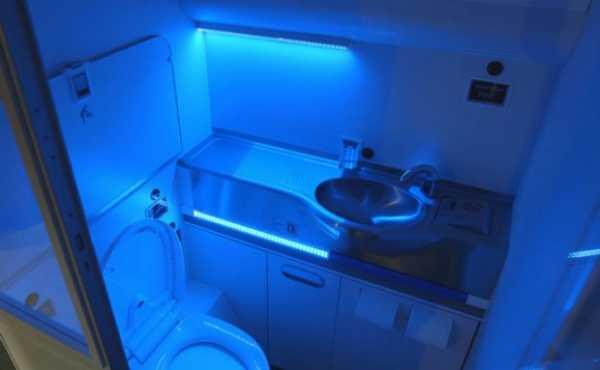
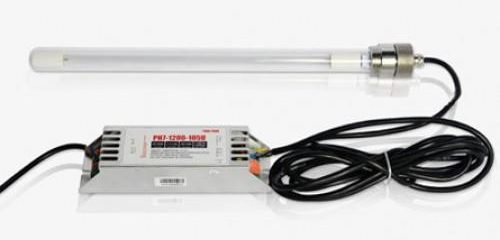
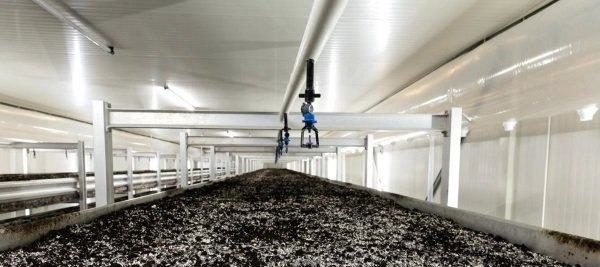
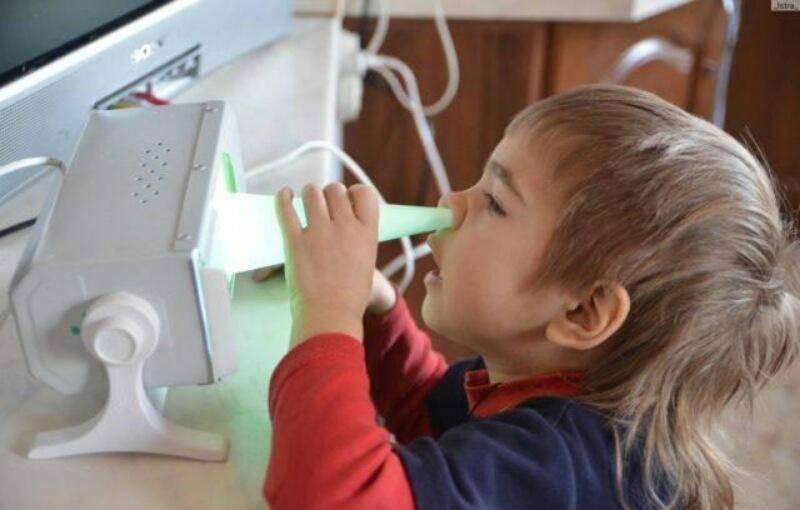
In addition, hard ultraviolet acts as a catalyst for the process of solidification of photocomposite materials in 3D printers, and some types of devices have a narrowly focused therapeutic purpose, for example, the Tube-quartz apparatus.
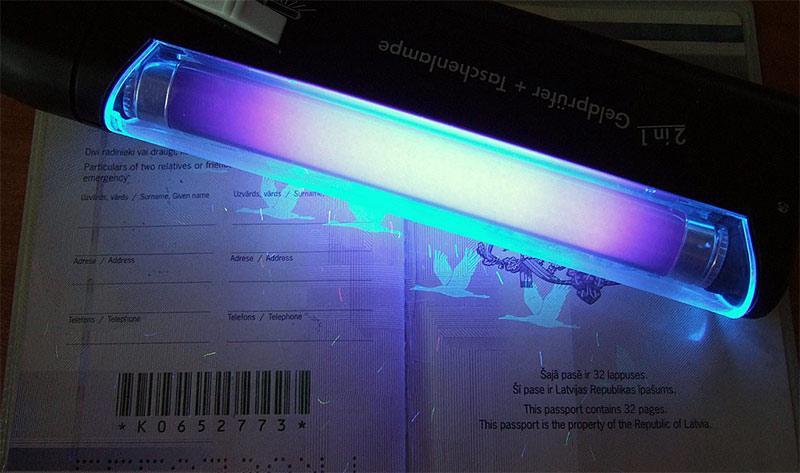
Long-wave UV light is used to identify luminescent elements in forensics, radio engineering, the entertainment industry and commerce, and geology.
The ability of UV rays to attract insects is the basis of the principle of operation of insecticidal traps. The soft range of 380-400 nm is used in solariums to get a tan.
Note! It will not be possible to tan under a quartz lamp, since a wavelength of 250 nm will cause a burn faster than the production of melatonin is activated.
Pros and cons of quartzing
Inactivating property of UV rays and the use of bactericidal emitters has positive differences in comparison with the use of chemical disinfectants:
- the ability to process objects that are not subject to moisture - paper wallpapers, paintings, money;
- absence of chemical reaction and residues of toxic substances on surfaces and in liquid media;
- lack of allergic reactions;
- lower labor intensity of the process;
- a wide range of affected pathogenic flora;
- relative safety.
Be sure to watch: Does it make sense to use bactericidal quartz lamps.
At the same time, the method of radiation disinfection is not without shortcomingsassociated with non-compliance with security measures. The disadvantages of using bactericidal installations include:
- dependence on the availability of electricity in the room;
- the fragility of the emitter bulb and the content of toxic mercury vapor inside the device;
- requirements for the elimination of living organisms from the premises during quartzization;
- limited service life of the device;
- the danger of getting burns skin, mucous membranes and organs of vision during accidental exposure;
- the danger of exacerbation of chronic and oncological diseases with regular microdoses of ultraviolet radiation.
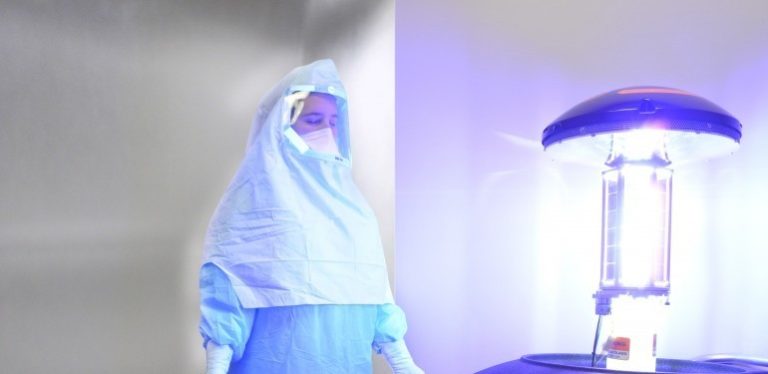

In general, against the background of the spread of infections transmitted by airborne droplets, the use of biocidal properties of UV radiation is justified as the main and additional means to standard measures in the form of wet cleaning, ventilation and quarantine measures.